
Introduction
Cloud computing basics are becoming essential knowledge in today’s digital world. Almost every app, website, and online service you use depends on cloud technology in some way. From storing photos on your phone to running business software online, the cloud quietly works behind the scenes. Understanding cloud computing basics helps beginners and intermediate learners make smarter decisions, whether they are students, professionals, or business owners.
In simple terms, cloud computing basics explain how computing services like storage, servers, databases, and software are delivered over the internet instead of using local computers or physical data centers. This shift has changed how organizations operate and how individuals access technology. Instead of buying expensive hardware, users can access resources on demand and pay only for what they use.
Learning cloud computing basics is also important for career growth. Many modern jobs require at least a basic understanding of cloud platforms. Even non-technical roles benefit from knowing how cloud systems improve efficiency and reduce costs. As digital transformation continues, cloud skills are becoming more valuable every year.
This guide is designed to explain cloud computing basics in clear, simple English. You will learn what cloud computing is, why it matters, how it works step by step, and what benefits and risks it brings. By the end, you will have a strong foundation and feel confident discussing cloud computing basics in real-life situations.
What Is Cloud Computing Basics?
Cloud computing basics refer to the fundamental concept of using remote servers on the internet to store, manage, and process data. Instead of keeping files and applications on your personal computer or office server, everything is handled online through cloud service providers.
When you use email services, online storage, or streaming platforms, you are already using cloud computing basics in action. The cloud allows users to access data from anywhere, at any time, using any internet-connected device. This flexibility is one of the key reasons cloud computing has become so popular.
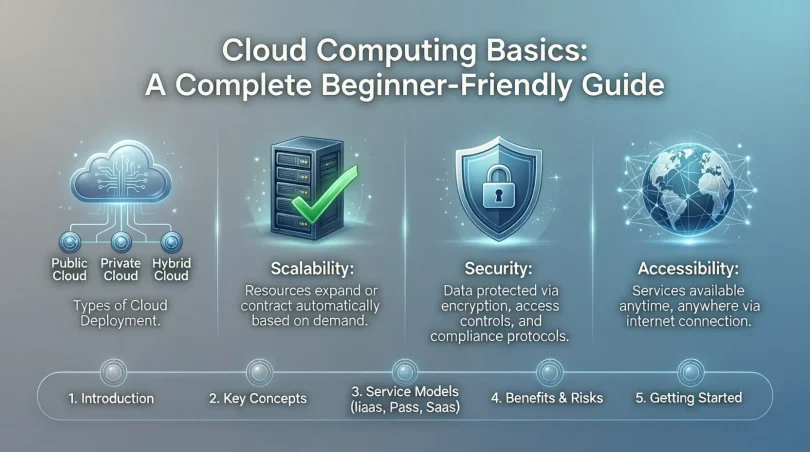
Cloud computing basics include three main service models. These are Infrastructure as a Service, Platform as a Service, and Software as a Service. Each model offers a different level of control and responsibility. Users can choose what best fits their needs without worrying about complex hardware management.
Another important part of cloud computing basics is scalability. Cloud systems can easily increase or decrease resources based on demand. This makes them ideal for businesses of all sizes, from startups to global enterprises. Overall, cloud computing basics focus on convenience, efficiency, and modern digital access.
Why Is Cloud Computing Basics Important?
Cloud computing basics are important because they support the digital services we rely on every day. Without cloud technology, many online platforms would be slower, less reliable, and more expensive to operate. The cloud helps businesses deliver faster and more secure services to users worldwide.
For individuals, cloud computing basics make life easier. Files can be stored online and accessed from multiple devices. Software updates happen automatically without manual installation. This saves time and reduces technical problems for users.
From a business perspective, cloud computing basics reduce costs. Companies no longer need to invest heavily in physical servers or maintenance staff. Instead, they pay for cloud services as needed. This allows better budget control and financial planning.
Cloud computing basics also support innovation. Developers can test new ideas quickly without building infrastructure from scratch. As a result, new apps and services reach the market faster. In today’s competitive environment, understanding cloud computing basics is not optional; it is a necessity.
Detailed Step-by-Step Guide
Step 1: Understanding Cloud Service Models
The first step in learning cloud computing basics is understanding the main service models. Infrastructure as a Service provides virtual servers and storage. Platform as a Service offers development tools and environments. Software as a Service delivers ready-to-use applications online.
Each model serves a different purpose. Beginners often start with Software as a Service because it requires no technical setup. As skills grow, users may explore other models for more control.
Step 2: Learning About Deployment Types
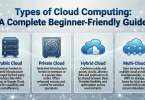
Cloud computing basics also include deployment types. Public clouds are shared and managed by providers. Private clouds are dedicated to one organization. Hybrid clouds combine both approaches.
Choosing the right deployment depends on security needs, budget, and business goals. Many organizations prefer hybrid solutions for flexibility.
Step 3: Setting Up Cloud Access
To use cloud services, users create an account with a provider. This usually involves selecting services, setting permissions, and configuring basic settings. Most providers offer dashboards for easy management.
This step introduces users to real-world cloud environments and builds confidence.
Step 4: Managing Data and Applications
Once access is set up, users can upload data and run applications. Cloud computing basics include learning how to organize files, manage backups, and monitor performance.
Good management practices help avoid unnecessary costs and ensure smooth operation.
Step 5: Ensuring Security and Compliance
Security is a key part of cloud computing basics. Users must set strong passwords, manage access rights, and understand basic security features. Regular monitoring helps detect issues early.
Following best practices keeps data safe and builds trust in cloud systems.
Benefits of Cloud Computing Basics
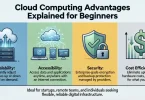
- Cost savings through pay-as-you-go pricing
- Easy access from anywhere with internet
- Scalability to handle changing workloads
- Automatic updates and maintenance
- Improved collaboration and data sharing
- Faster deployment of applications
- Reliable backup and disaster recovery
Disadvantages and Risks
- Dependence on internet connectivity
- Potential security and privacy concerns
- Limited control over infrastructure
- Risk of service outages
- Long-term costs if not managed properly
Common Mistakes to Avoid

Many beginners misunderstand cloud computing basics and make avoidable mistakes. One common error is choosing services without understanding pricing. This can lead to unexpected costs over time.
Another mistake is ignoring security settings. Assuming the provider handles everything can expose data to risks. Users must actively manage access controls.
Some users also fail to plan for scalability. Without monitoring usage, resources may be overused or underused. Learning cloud computing basics helps prevent these issues and ensures smarter decisions.
FAQs
What are cloud computing basics in simple words?
Cloud computing basics mean using internet-based services instead of local computers to store data and run applications.
Is cloud computing safe for beginners?
Yes, cloud platforms offer strong security features. Beginners just need to follow basic safety practices.
Do I need technical skills to learn cloud computing basics?
Basic computer knowledge is enough to start learning cloud computing basics.
How does cloud computing save money?
It reduces hardware costs and allows users to pay only for what they use.
Can small businesses use cloud computing basics?
Yes, cloud services are ideal for small businesses due to flexibility and low startup costs.
Is cloud computing basics useful for students?
Absolutely, students can access learning tools and store projects online easily.
Expert Tips and Bonus Points
Start small when learning cloud computing basics. Use free trials to explore features. Focus on understanding pricing models early. Always monitor usage and set alerts. Keep learning through practice, not just theory. These habits build strong cloud skills over time.
Conclusion
Cloud computing basics are no longer just technical knowledge for IT professionals. They are a practical skill for anyone using modern technology. From personal storage to business operations, the cloud supports daily digital activities in simple and powerful ways.
By understanding cloud computing basics, beginners gain confidence in using online services securely and efficiently. Intermediate learners can improve productivity and explore advanced features without fear. The cloud removes many traditional barriers, allowing users to focus on creativity and growth instead of infrastructure.
As technology continues to evolve, cloud computing basics will remain relevant. Learning these fundamentals today prepares you for future opportunities and challenges. Whether your goal is career development, business success, or personal convenience, mastering cloud computing basics is a smart and valuable step forward.