
Introduction
Cloud computing advantages have completely changed the way individuals, businesses, and organizations use technology today. In the past, people depended heavily on physical computers, expensive servers, and complex IT systems to store data and run applications. However, with the rise of cloud-based solutions, technology has become more flexible, affordable, and accessible than ever before. Cloud computing allows users to access data, software, and services through the internet without needing powerful local hardware.
One of the biggest reasons cloud technology has grown so fast is its simplicity. You do not need deep technical knowledge to use cloud services. From students storing assignments online to large companies managing global operations, cloud computing fits every level of user. This flexibility makes it a popular choice across many industries.
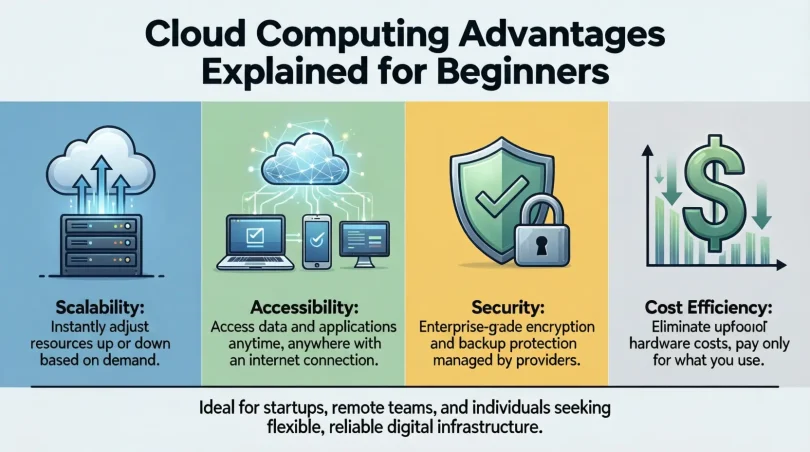
Another key point is cost efficiency. Traditional IT systems require large upfront investments, regular maintenance, and skilled staff. Cloud services reduce these costs by offering pay-as-you-go models. You only pay for what you use, which is especially helpful for small businesses and startups.
Security, scalability, and performance are also major reasons why cloud computing is in high demand. With automatic updates, backups, and advanced security measures, cloud platforms provide reliable solutions for modern digital needs. Understanding cloud computing advantages is essential for anyone who wants to stay competitive in today’s digital world, whether you are a beginner or an intermediate learner.
What is Cloud Computing Advantages?
Cloud computing advantages refer to the benefits gained by using cloud-based services instead of traditional on-premise systems. Cloud computing allows users to store data, run software, and access resources through the internet rather than relying on local machines or physical servers.
In simple words, cloud computing means using online servers to handle tasks such as data storage, computing power, and application hosting. These servers are maintained by cloud service providers, so users do not need to worry about hardware management.
Cloud services are usually divided into three main types. These include Infrastructure as a Service, Platform as a Service, and Software as a Service. Each type serves different needs but all offer flexibility and convenience.
The main idea behind cloud computing advantages is ease of access. You can log in from anywhere, using any device with an internet connection. This makes work faster, smoother, and more efficient.
Why is Cloud Computing Advantages Important?
Cloud computing advantages are important because they help individuals and businesses work smarter, not harder. In a fast-moving digital environment, speed and flexibility are essential. Cloud technology provides both.
For businesses, cloud solutions allow faster deployment of applications and services. This reduces time to market and improves customer satisfaction. Companies can also scale resources up or down based on demand.
For individuals, cloud services offer convenience. You can access files, photos, and tools from multiple devices without worrying about data loss. Automatic backups add another layer of safety.
Another reason cloud computing advantages matter is collaboration. Teams can work together in real time, share documents, and communicate easily. This improves productivity and reduces delays.
Overall, cloud computing plays a key role in digital transformation, helping users adapt to modern technology needs efficiently.
Detailed Step-by-Step Guide
Understanding Cloud Service Models
The first step is to understand the main cloud service models. Infrastructure as a Service provides basic computing resources. Platform as a Service helps developers build applications. Software as a Service delivers ready-to-use applications.
Choosing the Right Cloud Provider
Selecting a reliable provider is important. Look for strong security, good performance, and clear pricing. Popular providers offer user-friendly dashboards and customer support.
Setting Up Cloud Storage
After choosing a provider, set up cloud storage. Upload files and organize them properly. Most platforms allow easy file management with folders and permissions.
Using Cloud Applications
Start using cloud-based applications such as email, document editors, and project tools. These applications run online and update automatically.
Managing Security Settings
Enable security features like two-factor authentication and access controls. This helps protect your data from unauthorized access.
Scaling Resources
One of the biggest cloud computing advantages is scalability. Increase or reduce resources based on your needs without buying new hardware.
Benefits of Cloud Computing Advantages
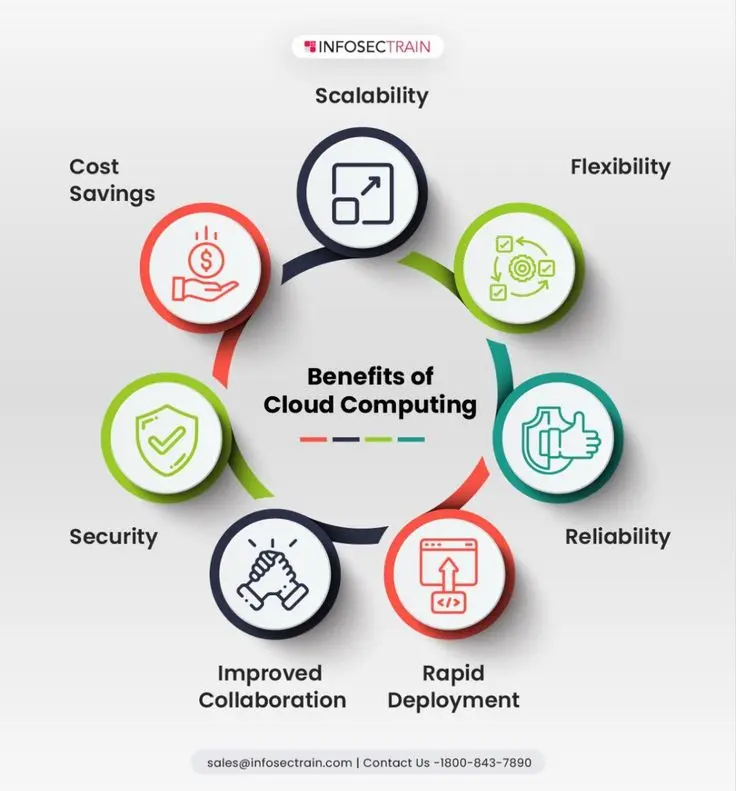
- Lower costs with pay-as-you-go pricing
- Easy access from anywhere
- Automatic updates and maintenance
- High data security and backup options
- Improved collaboration and teamwork
- Scalability for growing needs
- Faster deployment of services
- Reduced hardware dependency
Disadvantages / Risks
- Dependence on internet connection
- Potential data privacy concerns
- Limited control over infrastructure
- Downtime risks with providers
- Vendor lock-in challenges
Common Mistakes to Avoid
Many users fail to understand pricing models properly, leading to unexpected costs. Another common mistake is ignoring security settings. Some people also choose providers without checking reliability. Not planning for data backup and recovery can cause serious issues. Avoid relying on a single provider without a backup strategy.
FAQs
What are cloud computing advantages for small businesses?
Small businesses benefit from lower costs, flexibility, and easy scalability. They can access advanced tools without heavy investment.
Is cloud computing secure?
Yes, most cloud providers offer strong security measures, including encryption and regular updates.
Can cloud services be used offline?
Some applications offer limited offline access, but full functionality requires an internet connection.
What industries use cloud computing?
Almost all industries, including education, healthcare, finance, and retail, use cloud services.
Is cloud computing expensive?
It can be affordable if managed properly. Costs depend on usage and selected services.
How does cloud computing help collaboration?
Cloud tools allow real-time sharing and editing, making teamwork faster and easier.
Expert Tips & Bonus Points
Always monitor usage to control costs. Choose providers with strong customer support. Train your team to use cloud tools effectively. Regularly review security settings and update access permissions. Use multi-cloud strategies for better reliability.
Conclusion
Cloud computing advantages continue to shape the future of technology by offering flexible, secure, and cost-effective solutions. Whether you are an individual user or a growing business, cloud services provide tools that simplify daily tasks and improve efficiency. From easy access to data to advanced collaboration features, cloud computing removes many traditional IT challenges.
As digital needs grow, relying on cloud technology becomes more important. It allows users to adapt quickly, scale resources, and stay competitive without heavy investments. While there are some risks, proper planning and smart usage can reduce them significantly.
Understanding cloud computing advantages helps users make informed decisions and use technology wisely. By avoiding common mistakes and following best practices, anyone can benefit from cloud solutions. In the long run, cloud computing supports innovation, productivity, and sustainable growth in the digital age.